

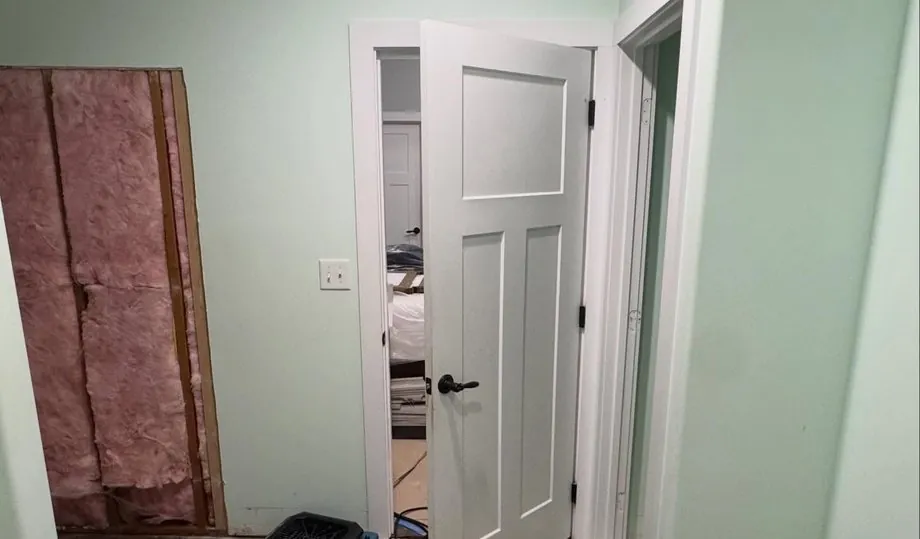
Smoke and Soot: Why Wiping the Walls Is Not Enough
A smoke job that gets done twice usually failed for the same reason: somebody cleaned the surfaces and left the ductwork, the insulation and the residue chemistry alone.
Residue is chemistry, not dirt
What smoke leaves behind depends on what burned. A grease fire leaves an oily film that smears if you wipe it dry. A fast, hot fire in synthetic materials leaves fine dry soot that has to be dry-sponged off before anything wet touches it. Protein residues from a cooking fire are almost invisible and cause an intense odour out of proportion to how little you can see.
Using the wrong method on the wrong residue drives it into the surface. That is why residue gets identified first and cleaned second, and why the same house can need three approaches in three rooms.
Soot keeps working after the fire is out
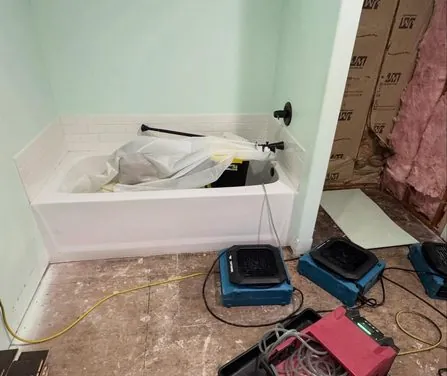
Smoke residue is acidic. Left in place it etches glass and mirrors, pits chrome and stainless, corrodes electrical contacts and permanently discolours grout, marble and unfinished timber. A delay of a few weeks is often the difference between cleaning a fixture and replacing it.
The odour is usually in the system
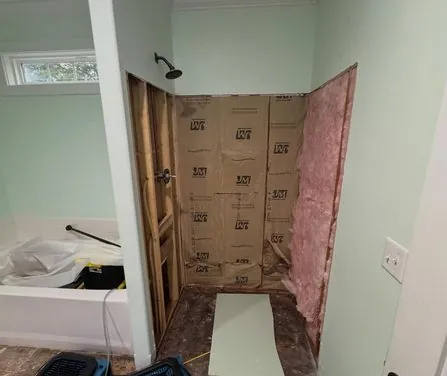
When a smoke smell returns on humid days after everything has been cleaned, the source is almost always somewhere porous that was never addressed: the duct lining, the blower wheel, the attic insulation, the underside of the subfloor, the inside of a wall cavity.
Cleaning the visible surfaces makes the room look finished. It does not remove the reservoir. Duct cleaning, insulation removal, sealing of framing where it stays, and a deodorising cycle in a sealed space are what actually ends it.
Ozone, hydroxyl and consumer gadgets
Hydroxyl generators can run in an occupied space and work more slowly. Ozone is faster and more aggressive but requires the space to be empty of people, pets and plants, with a clearance period afterwards. Retail air purifiers do neither job at the scale a fire loss needs.
Contents deserve their own plan
Textiles, electronics, art and documents each need different handling, and most of it does not happen on site. Inventory and pack-out sound like extra process until you see how much of a household comes back from a fire that way, and how much of the claim depends on the list being accurate.
Dealing with this right now rather than reading about it? Call (305) 555-0142 — the assessment is free and crews run 24/7 across Miami-Dade.