- [email protected]
- Office Mon - Fri 8:00 AM - 6:00 PM, Sat 9:00 AM - 2:00 PM
- Serving Miami & Miami-Dade County

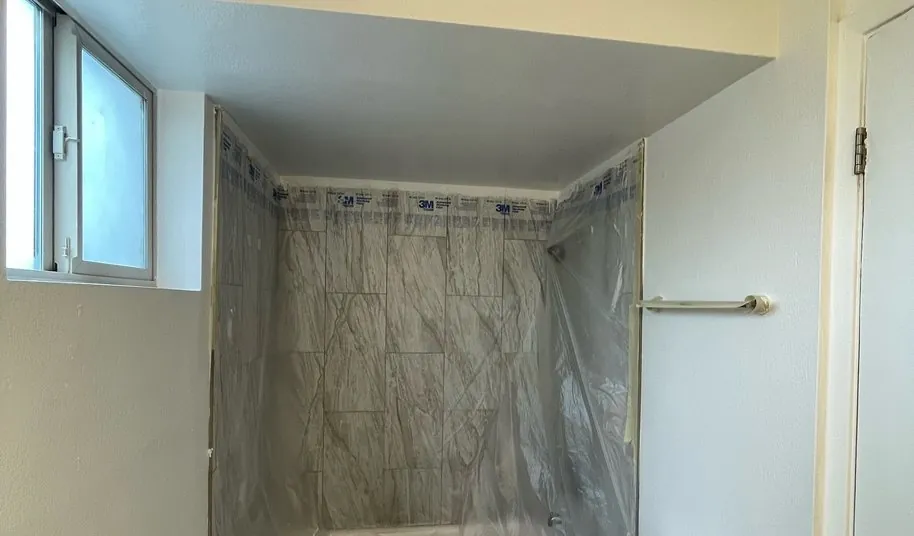
A supply line under a Brickell kitchen sink can put an inch of water through three rooms before anyone is home to shut the valve. In a slab-built South Florida house that water does not drain away - it travels under tile, wicks up drywall and sits in the wall cavity where nobody sees it. What you can mop up is rarely the problem. What soaked into the base plate and the insulation is.
We handle the whole job from the first extraction pass to the last coat of paint: pulling the water out, drying the structure to a measured target rather than a guess, and putting back the drywall, trim and flooring we had to remove. Crews are dispatched around the clock and most of Miami-Dade sees a truck the same morning or the same night the call comes in.
| Line item | Typical price | Notes |
|---|---|---|
| Emergency assessment and moisture inspection | Free | Meters, thermal imaging and a written scope |
| Emergency call-out and first extraction pass | from $450 | Minimum charge, any hour |
| Water extraction | $0.60 - $1.40 / sq ft | Depends on volume and floor covering |
| Structural drying equipment | $85 - $180 / day | Typical dry-down runs 3 - 5 days |
| Flood cuts and controlled demolition | $8 - $16 / linear ft | Drywall, insulation and base removal |
| Antimicrobial treatment | $0.30 - $0.90 / sq ft | Applied to wetted framing and subfloor |
| Typical single-room loss | $900 - $2,400 | Clean water, caught early |
| Typical whole-home loss | $3,500 - $9,000 | Multiple rooms, several days of drying |
| Category 3 water (street flood, sewage) | $2.20 - $5.50 / sq ft | All porous materials removed |
These ranges are what jobs of this type usually land at in Miami-Dade. The final number depends on how much water, soot or growth there is, what materials have to come out and how much reconstruction follows. You get a written, line-item scope before any work beyond making the property safe.
On a covered loss most of this is billed to your insurer, not to you - you pay the deductible. We estimate on the same line-item pricing adjusters use, so the numbers on your scope are the numbers they review. Full price list for every service is on the pricing page.
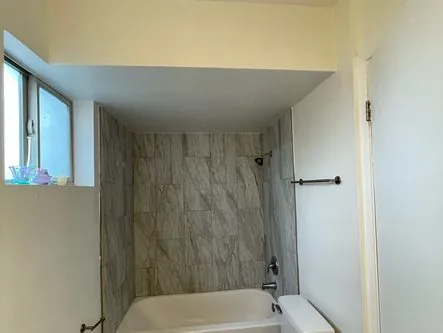
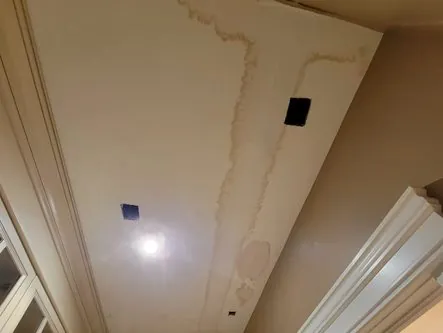
Humidity here rarely drops below the point where materials dry on their own. Open a window in August and you are pushing more moisture into the building than you are letting out. That is why a wet floor in Miami needs mechanical drying with dehumidifiers pulling the room down to a controlled humidity, not fans and patience.
Slab construction and terrazzo, tile-over-concrete and glued-down LVP change the picture again. Water spreads laterally beneath the finish and can surface in a room two doors away. We drill and inject where flooring can be saved, and lift it where it cannot - but that call gets made after the moisture map, not before.
Half of the water calls we take in Brickell, Edgewater and Sunny Isles involve more than one unit. There is a building engineer to coordinate with, an association with its own rules about work hours and elevator padding, and at least one owner below who wants to know when their ceiling is coming down.
We are used to that. Crews arrive with the certificates of insurance associations ask for, work within posted hours, and keep separate documentation per unit so each owner's insurer gets a clean file.
Not sure whether this is your problem? Describe what you are seeing on the phone and we will tell you honestly whether it needs a crew, a plumber first, or nothing at all. Call (305) 555-0142 — the assessment costs nothing.
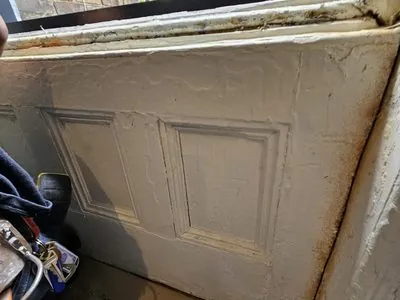
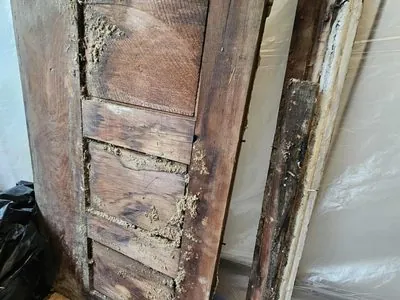
Extraction should start within hours. Mold growth on wet drywall and framing typically begins inside 24 to 48 hours, and in Miami's humidity it can start at the fast end of that window. The earlier water comes out, the more flooring and cabinetry survives.
Yes. We document the loss with photos, moisture readings and a line-item estimate, then deal with the adjuster on the technical questions. You still own the claim and every decision - we just make sure the file has what it needs.
Not always. Tile over a concrete slab often dries in place with mats and injection drying. Laminate, engineered wood over pad, and glued-down vinyl usually have to come up. We show you the readings behind the recommendation before anything is cut.
Tell us the address and what happened. A coordinator takes the details, a crew is dispatched, and the drying plan starts the same visit.
Call (305) 555-0142