

Hurricane Season: A Practical Water-Intrusion Checklist
Most storm-season water damage we see does not come from the roof failing. It comes from small, fixable weaknesses that nobody looked at in May.
The failures we see most often
After a storm the calls are remarkably consistent: water under sliding door tracks, wind-driven rain through tired window seals, backed-up gutters overflowing behind fascia, and displaced roof tiles over a torn underlayment that has been leaking quietly for a year.
None of those are dramatic failures. All of them are cheap to address in May and expensive in September.
Before the season
Clear gutters and downspouts and check that discharge runs away from the slab. Reseal window and door perimeters where the caulk has gone hard or pulled away. Test that sliding-door weep holes are open - a blocked weep turns the track into a reservoir that overflows inward.
Have someone look at the roof, particularly the flashing at parapets, valleys and penetrations. Photograph the property inside and out while it is intact, and keep the photos somewhere that is not the house.
Inside the building
Know where the water main, the electrical panel and the AC shut-off are. Keep a shop vacuum, a moisture-tolerant torch and a set of furniture blocks somewhere you can reach in the dark. Move stored documents and irreplaceable items off the ground floor and out of the garage.
After the storm passes
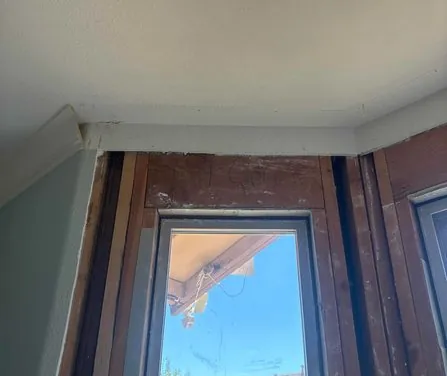
Check the ceiling below every roof penetration and the walls under every window, including rooms that look fine. Feel the base of the drywall with the back of your hand. Any dampness at all means the cavity behind it is wetter.
If water came in, get it documented and get drying started the same day. Standing water is a category question too - flood water off the street is not clean, and materials it touched are handled differently to a clean-water loss.
Do not wait on the adjuster to start drying
Waiting a week for an inspection while the structure sits wet turns a drying job into a mold job. Document thoroughly, notify your insurer, and begin mitigation. That is what your policy expects of you, and it is what keeps the claim smaller for everyone.
Dealing with this right now rather than reading about it? Call (305) 555-0142 — the assessment is free and crews run 24/7 across Miami-Dade.