

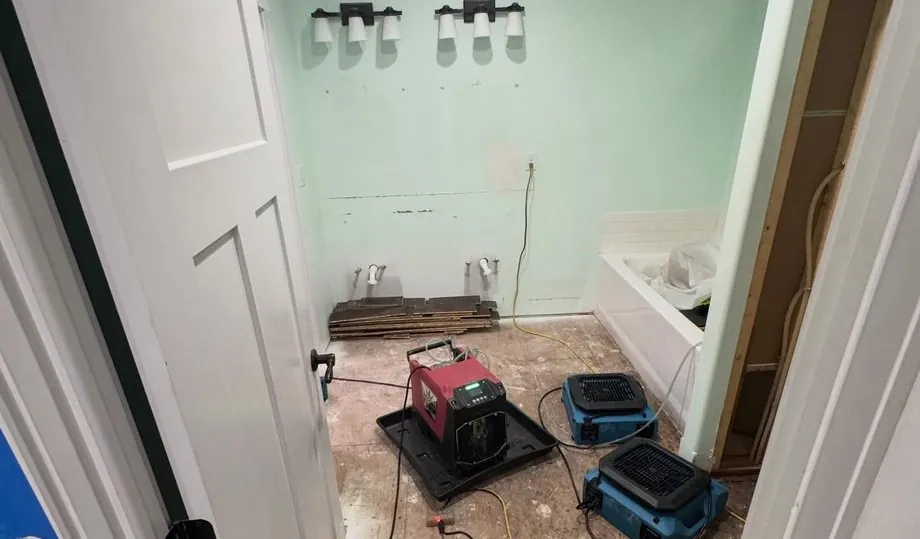
Does Florida Homeowners Insurance Cover Water Damage?
Sudden and accidental is usually covered. Gradual and preventable usually is not. The whole argument sits in which side of that line your loss falls on.
The line that matters
Standard homeowners policies in Florida cover water damage that is sudden and accidental - a supply line that bursts, a water heater that lets go, a washing-machine hose that splits. They generally exclude damage that developed gradually: a slow leak that ran for months, long-term seepage, and wear and tear.
That distinction is why documentation matters so much. Photographs, dated moisture readings and a clear description of the failure are what establish that the loss was sudden, not something that had been happening quietly since last year.
Flood is a separate policy
Water that rises from outside - storm surge, street flooding, an overflowing canal - is flood, and standard homeowners policies exclude it. Flood coverage comes through the NFIP or a private flood carrier and has to be bought separately. In a lot of Miami-Dade this is not optional in practice, whatever the zone map says.
Wind-driven rain that enters through an opening the storm created is usually a homeowners claim. Water that comes in under the door because the street flooded is usually a flood claim. Same storm, different policies.
What tends to get a claim reduced
Delay. Insurers argue that damage which developed after the initial loss - mold, warped flooring, ruined framing - was avoidable if mitigation had started promptly. Waiting a week for an adjuster before drying starts hands them that argument.
Missing documentation is the other one. Contents discarded before they were inventoried are effectively contents you cannot claim for.
Practical steps
Report the loss immediately and get a claim number. Photograph before you move anything. Keep receipts for anything you buy in response, including hotel nights if the property is unliveable. Ask for the scope in writing and read what it does and does not include.
We are not adjusters, and you should be wary of anyone who acts like one
A restoration contractor's job is to document the physical loss accurately, scope the work correctly and be able to defend both. Ours will talk to your adjuster about drying standards and line items all day. Advice on the coverage decision itself belongs with your agent, your carrier, or a licensed public adjuster - and you should never sign your claim rights over to a contractor to get work started.
Dealing with this right now rather than reading about it? Call (305) 555-0142 — the assessment is free and crews run 24/7 across Miami-Dade.